How states can improve SNAP payment accuracy: lessons from our work with three states
A practical guide for state SNAP leaders facing new error rate requirements
Check out case studies, reports, blogs, and other resources on how creating capacity helps deliver good government.


A practical guide for state SNAP leaders facing new error rate requirements


USDR's health check service can help election offices improve their websites, making improvements that serve voters better


A letter from Tina J. Walha, CEO of U.S. Digital Response


When the Coronavirus Aid, Relief, and Economic Security (CARES) Act passed last spring, a substantial amount of federal dollars were unlocked for states to address the economic impacts of COVID-19.


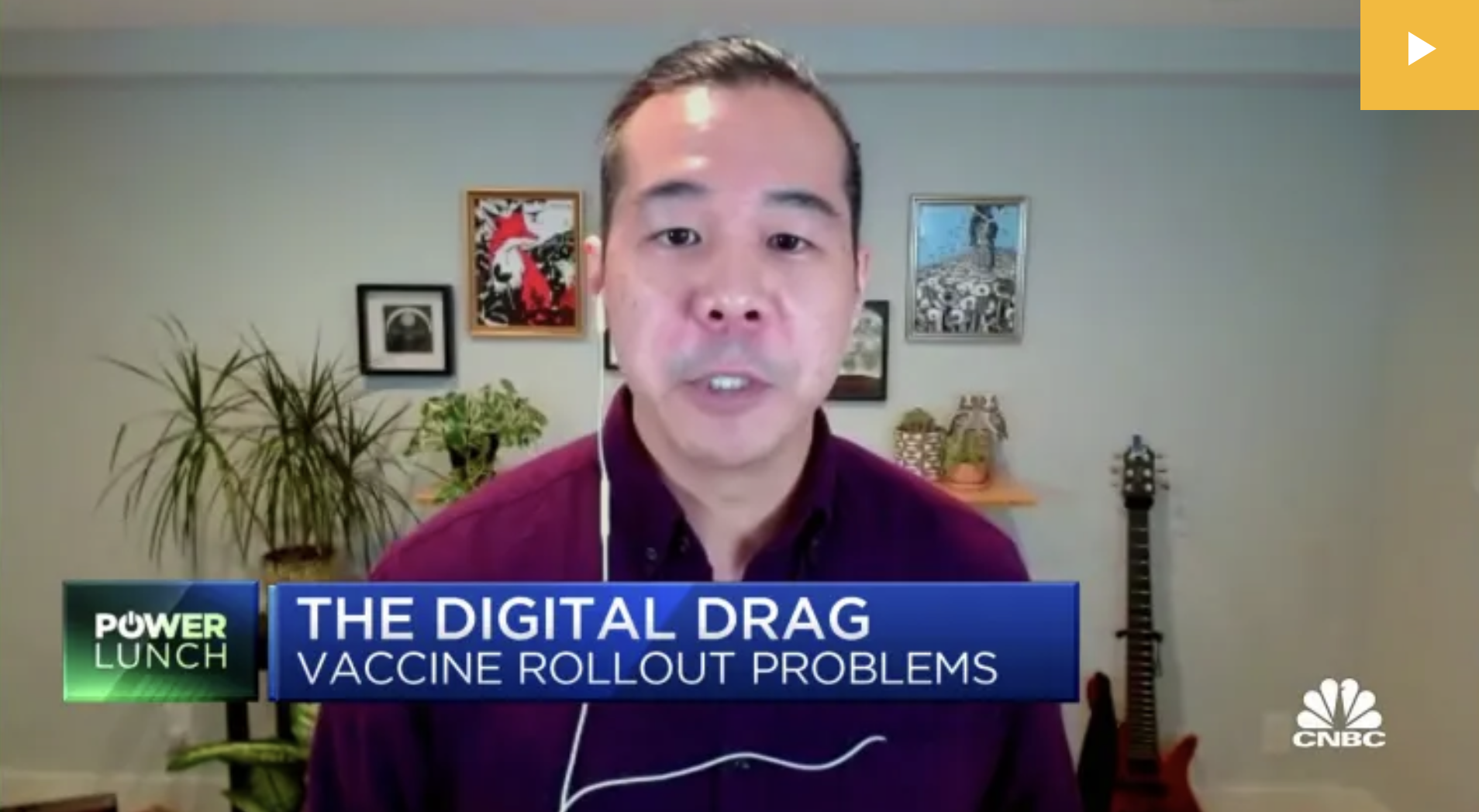
Watch the video interview on CNBC Power Lunch »


Read the article on MarketWatch »


Read the article in The New York Times »


Read the article in The Washington Post »


Read the article on FCW »


U.S. Digital Response (USDR) was launched in March of this year as a new initiative to serve the urgent needs of our communities by pairing pro-bono, best-in-class technologists with state and local governments.


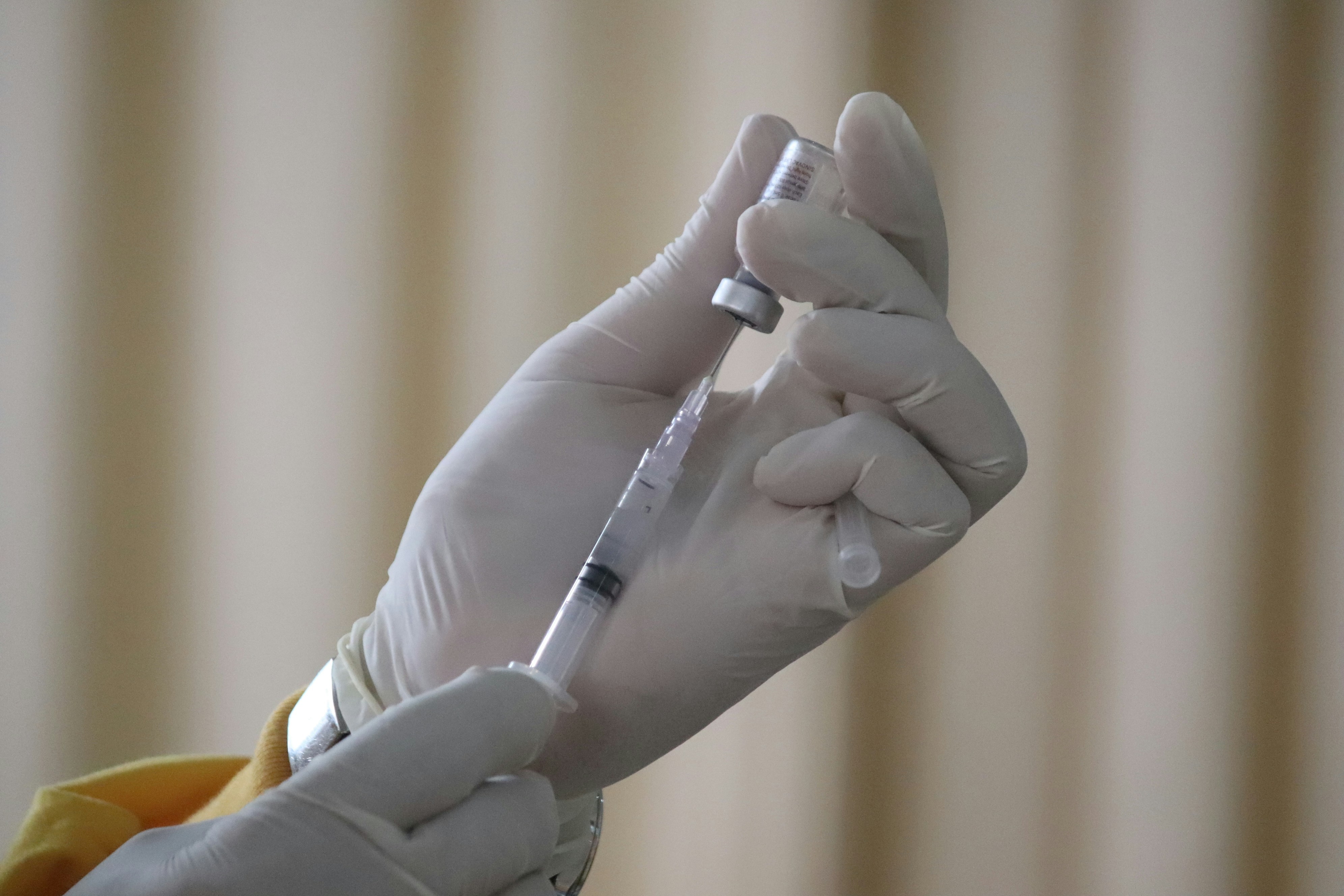
We’re all hopeful: a miracle of science has just happened. Against the odds, several COVID-19 vaccines have been developed in record time (less than a year, versus the typical time of up to 10–15 years), and at incredibly high efficacy (90–95 percent effectiveness).


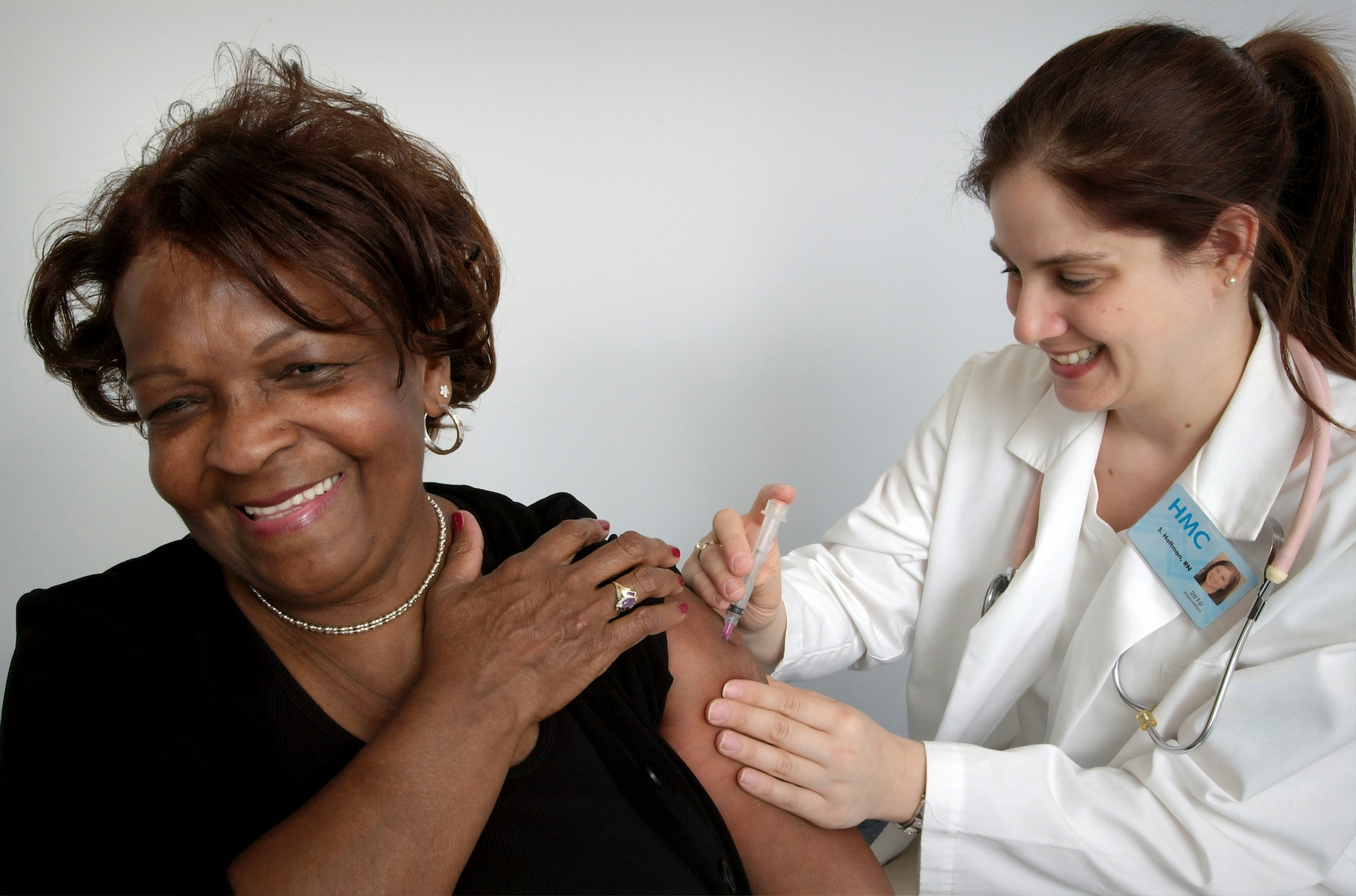
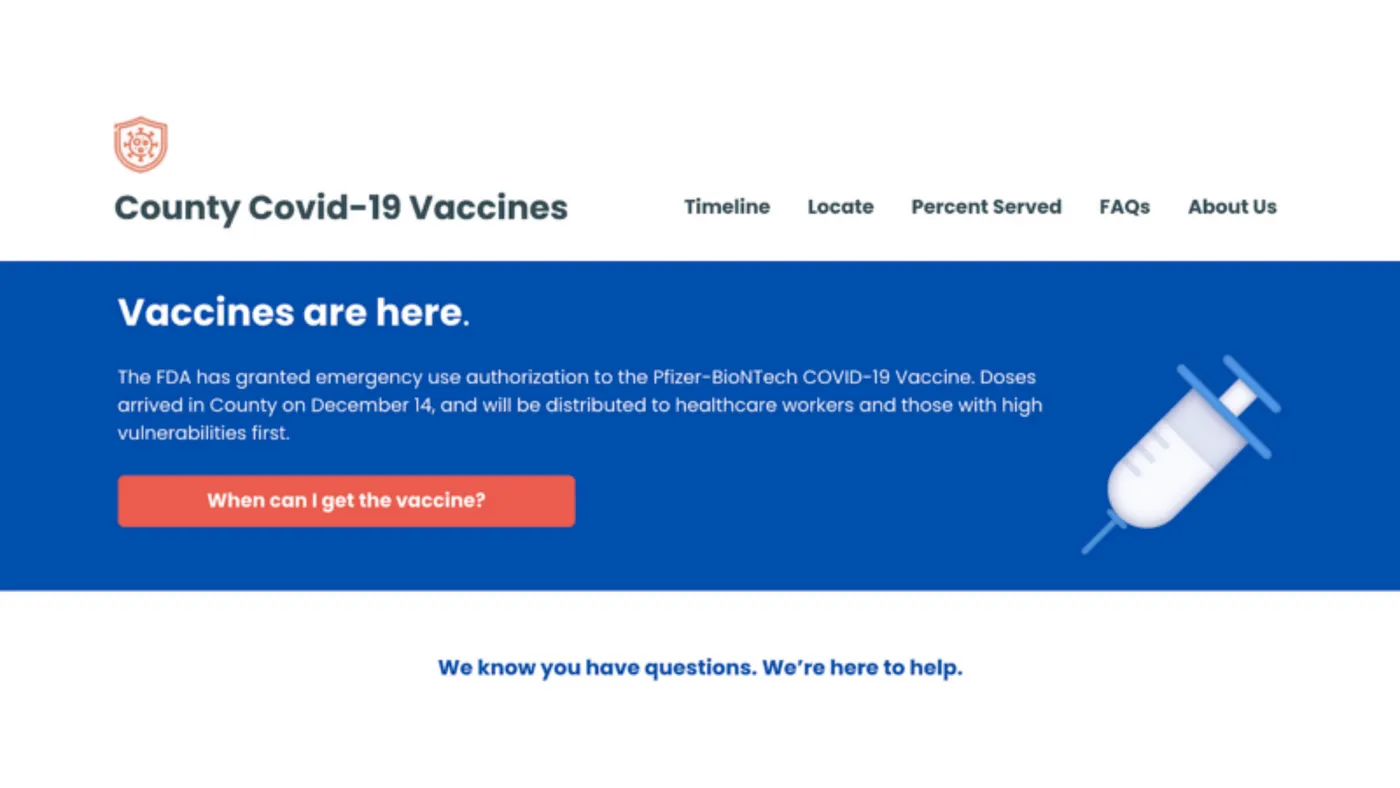
Last week, the United States launched the largest and most ambitious vaccination effort in its history. The first doses of the FDA-authorized Pfizer/BioNTech COVID-19 vaccine began rolling out, less than a year after the disease was first recorded in the country.